My work is a secret love affair
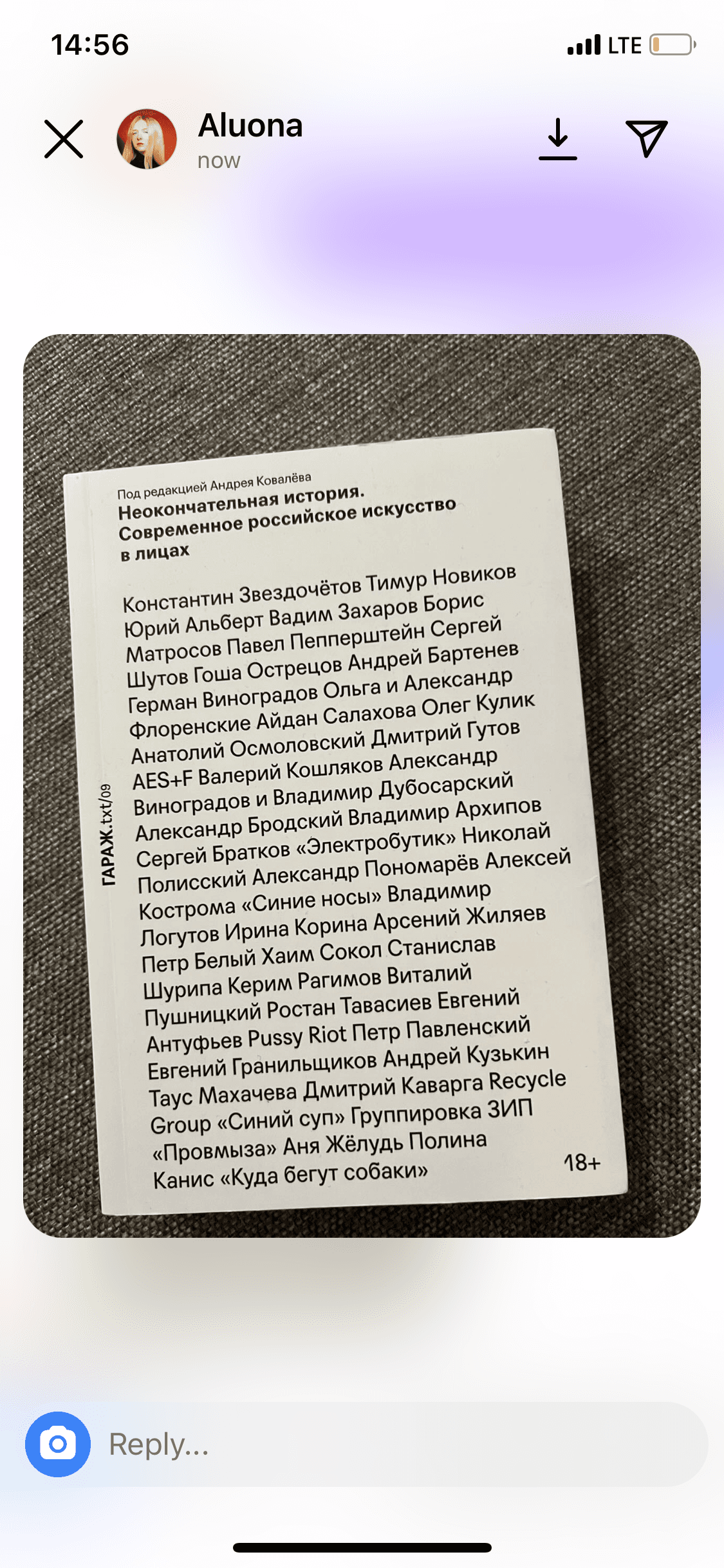
Modern art in Russia ––– for a proper connection of works I do remember with real names I never knew.
Foreplay
I actually started spiralling about my life and why my spark was gone.
I got it back. And also this project led me back to therapy, so enjoy.
Distrust everything I say. I am telling the truth.
Le Guin
Even the broadest definitions of eth-nographic fiction tend to meet the following criteria:
I. it is a narrative nurtured by lived experience (one's own, or someone else's as gleaned through research, perhaps participant observation);
II. it is unfettered from the bonds of the precisely experienced and observed.
When writing about people, avoid the temptation to describe someone as a list of physical or emotional attributes: tall, fair, brave, outspoken, driven, etc. Instead, consider describing them in terms of their actions; show how they negotiate the vicissitudes of daily life.
Nature is an artificial concept.
Concepts of natural is a culturally determined concept. How much we ourselves are artificial and can we really say that there a natural untouched protected natural self that we can call human?
Note to myself: Basically it is your obsession with Severance taking space in the brain. Will have to read some heavy philosophy.
Escapism from grief makes nature evil. Everything we can not control is scary. Don’t know what to explore here, an artwork might be a good choice for this topic.

Click
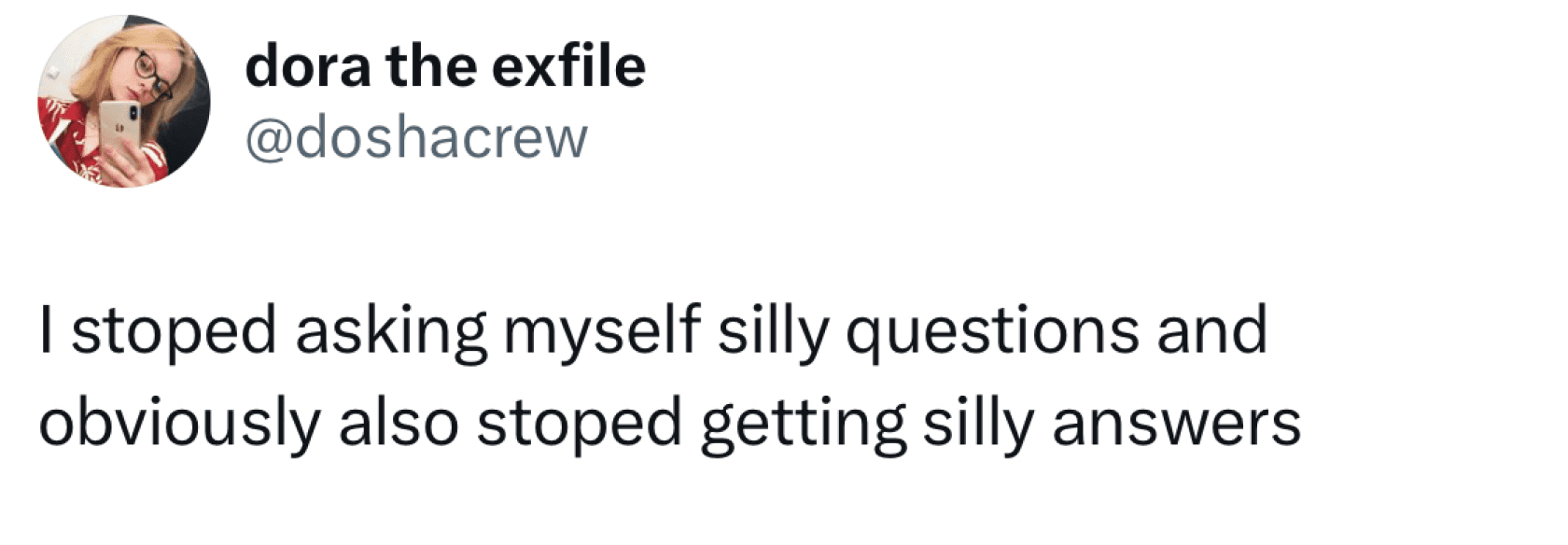
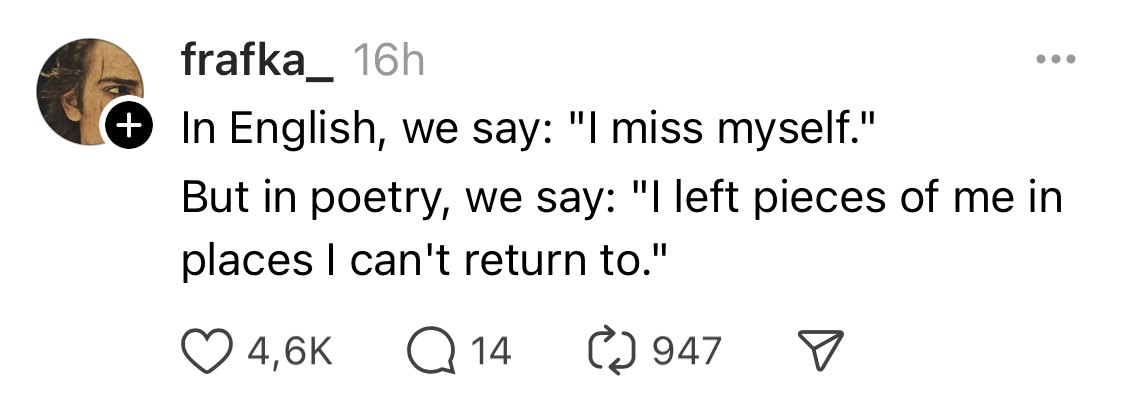
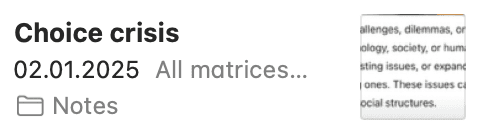
And this led to the feeling of loss of self. I am no expert in searching your selfness because expertise is a place of understanding, an expert does not need to explain or overly complicate ––– what is exactly what I did here.

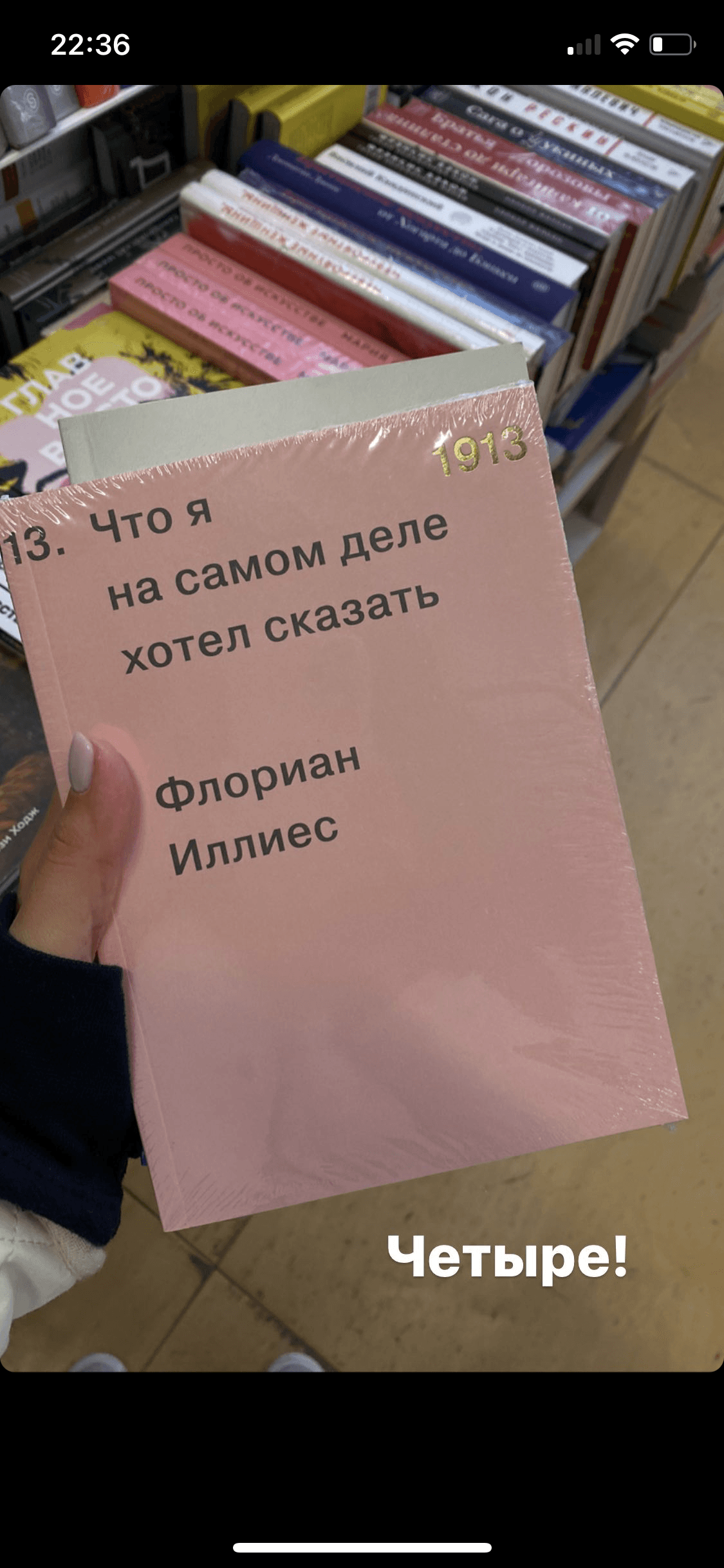
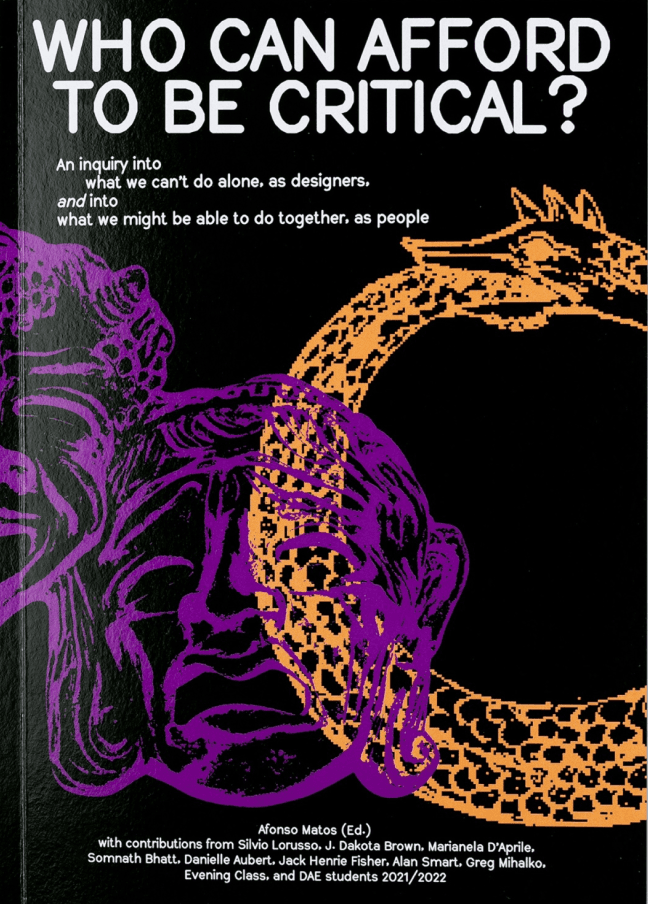
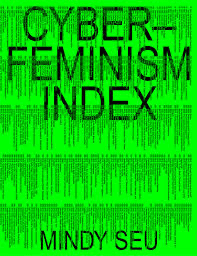
Like the color of this book It's very cutesy
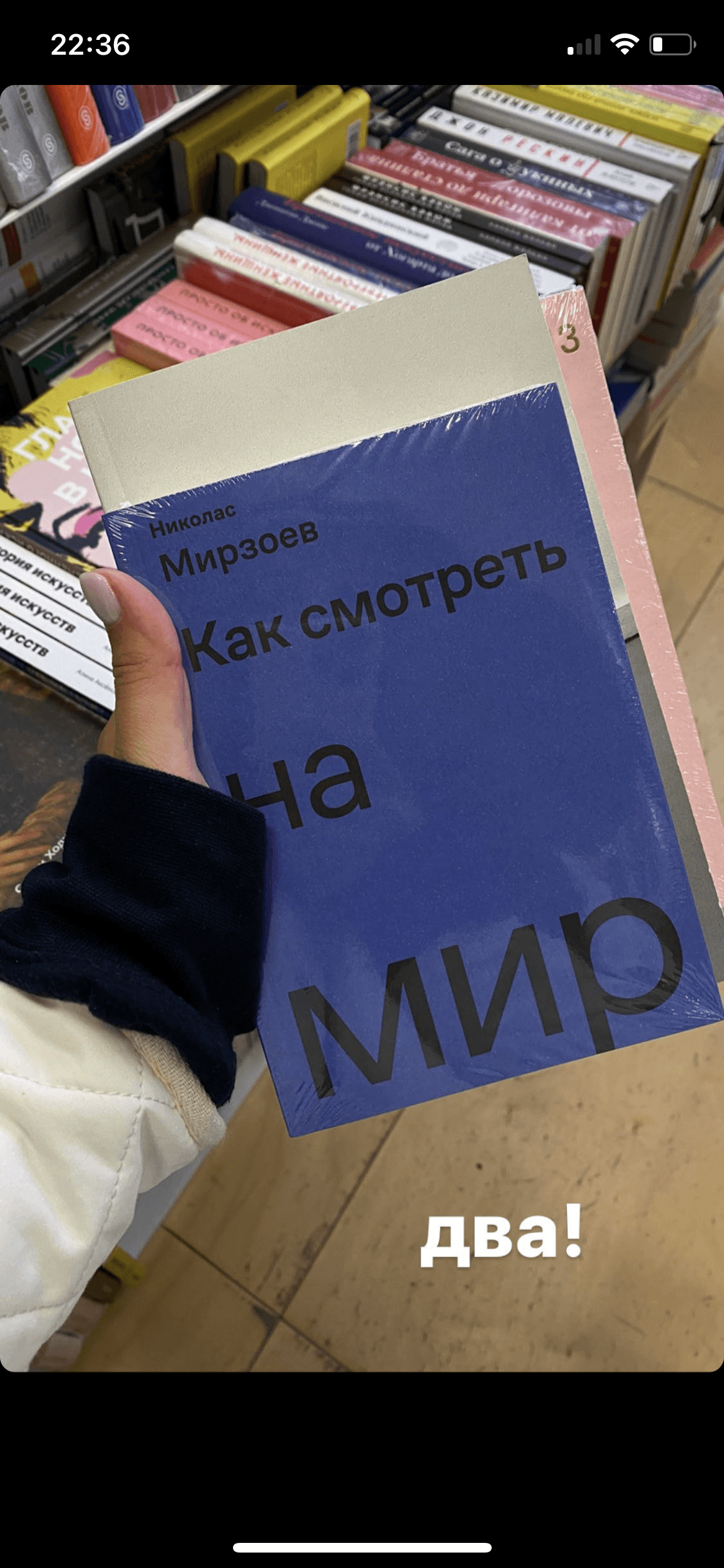
Lover the cover color. I took this screenshot in 2020. Only started this book after Anna Vartecká recommended it
in class.
The influential power of this woman is unmatched.
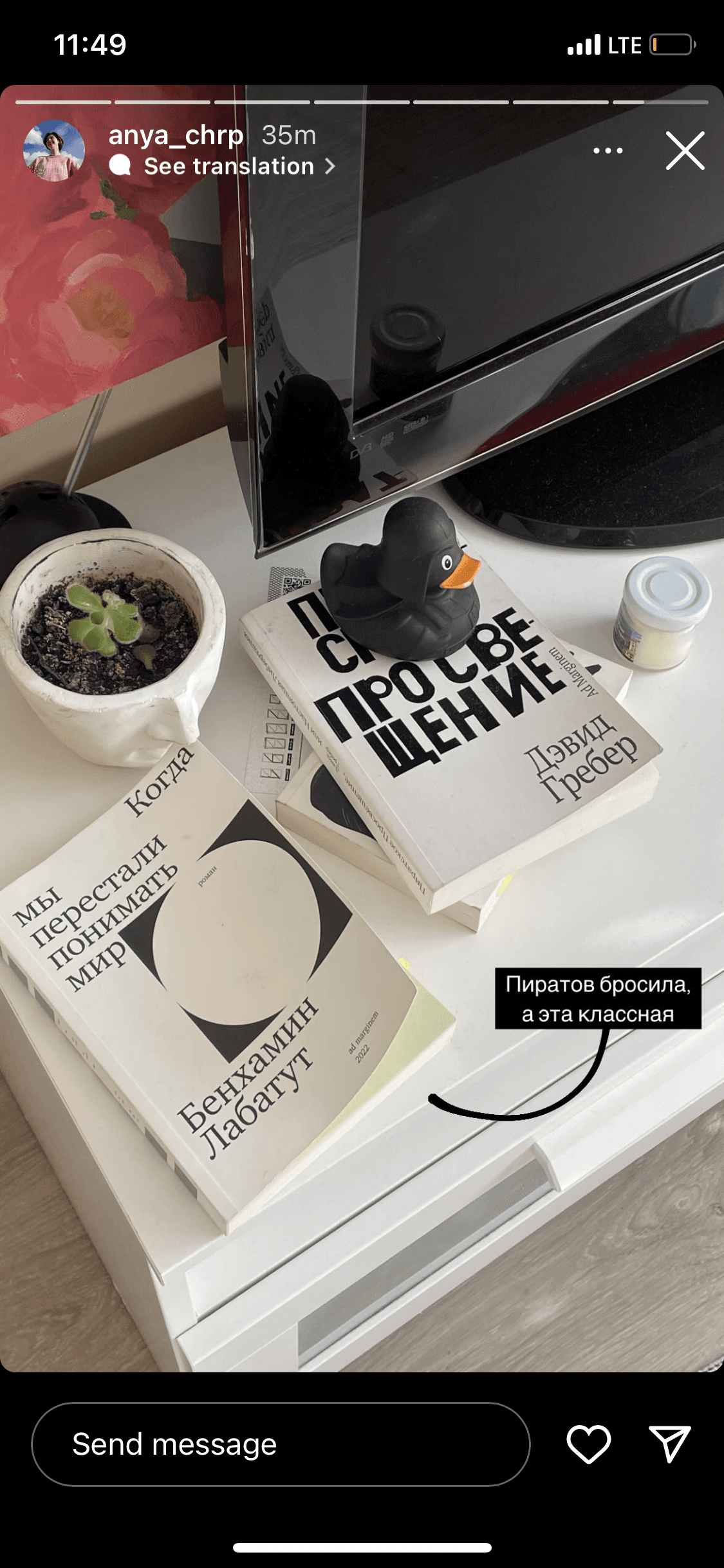
Another cool book from ad marginem Called ‘When we stopped and understanding the world’ –––– does feel like a joke on me. I think the answer will be something like ‘we never did’. Definitely gonna be reading.
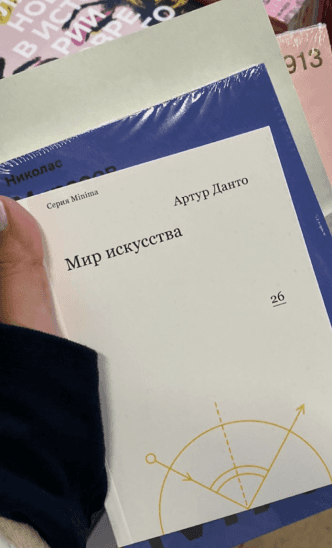
Arthur Danto's ‘The Artworld’ a seminal essay, argues that a work of art is distinguished from a mere object not by visual or physical properties, but
by its interpretation within
the "artworld" –––– Google AI writes.
Topic seems familiar.
I suppose I already encoun-tered similar views in less boring-looking books.
Post-hero

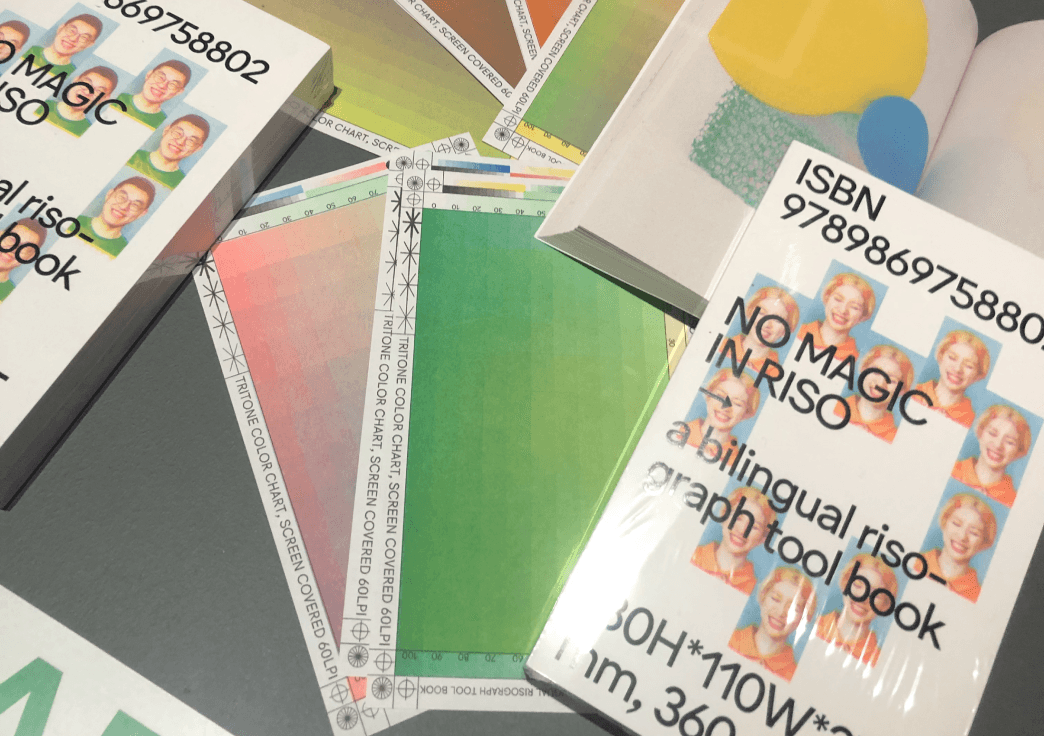
‘No magic in riso’ a bilingual risograph tool book ––––
really curious about the bilingual part
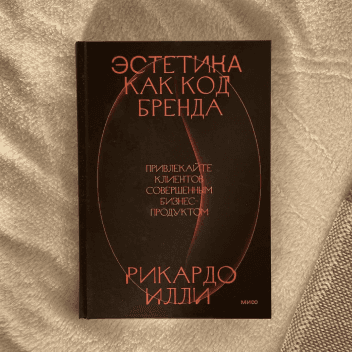
Started reading this book once in English and I didn't understand shit maybe I should just find it in Russian and try again.
English cover looks disgusting.
There is another book of this series?? with, again, yellow cover.
Sidenote: Yellow and heavy reading is a thing?
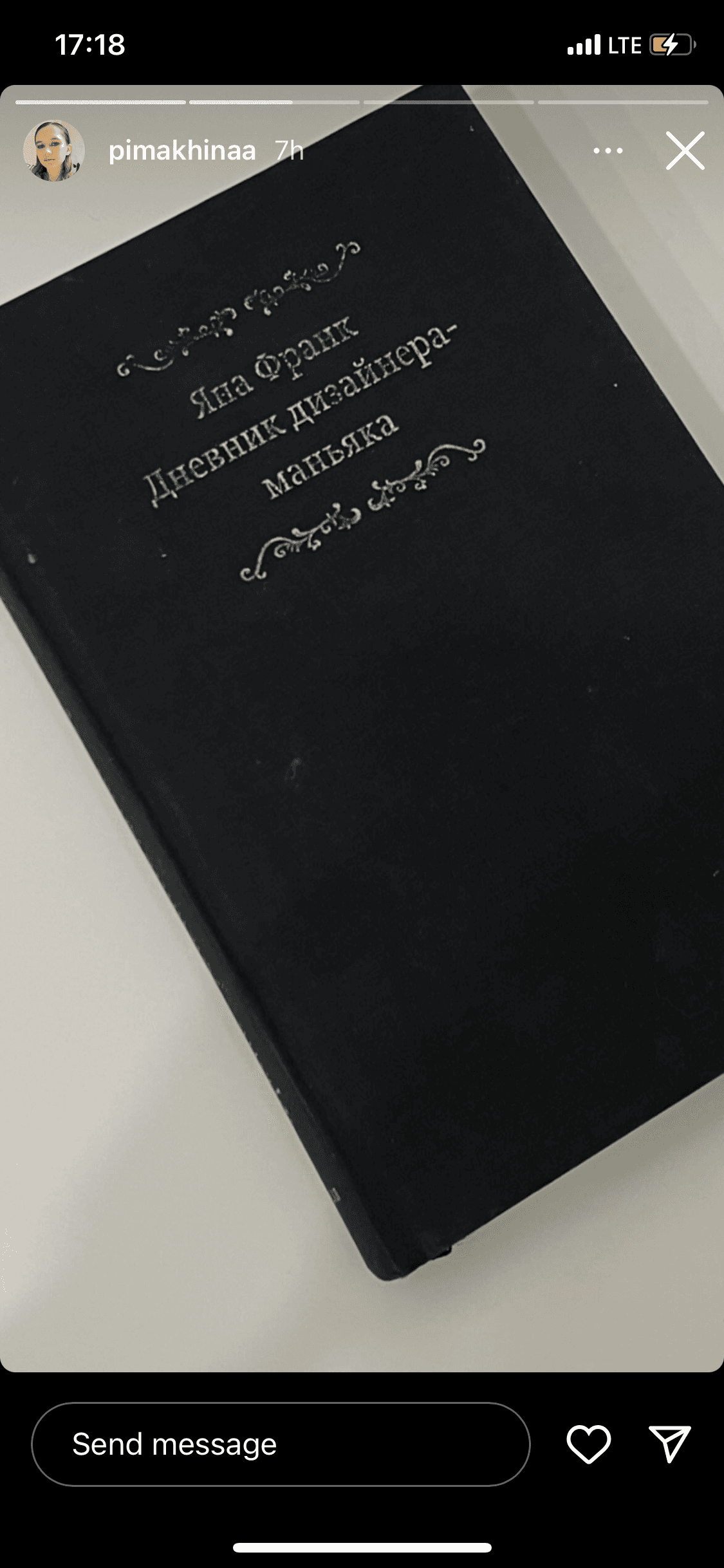
‘Diary of a Maniac Designer’ ––– really concerning cover,
I don’t think a designer with the surname Frank can allow themselves a cover like that.
It literally says ––– this book is about the horrors of design professions.
Sometime we should know where to stop having fun.
I googled it ––– wouldn’t recommend reading.
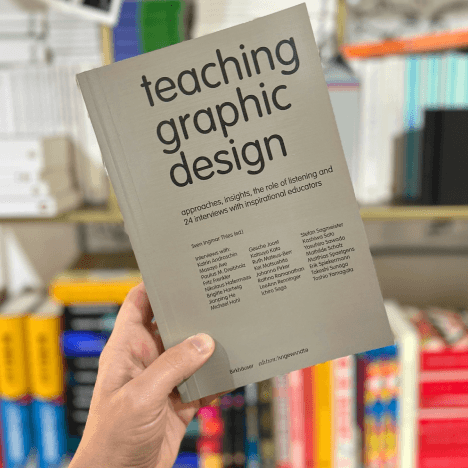
Next book teaching graphic design –––as I was teaching graphic design in my life for a while ––– I'm very interested in the insides of this and what is it talking about: approaches, role of listening, interviews with educators. Sexy.
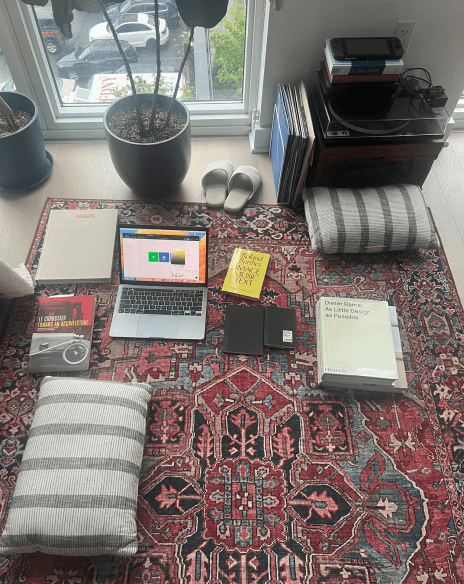
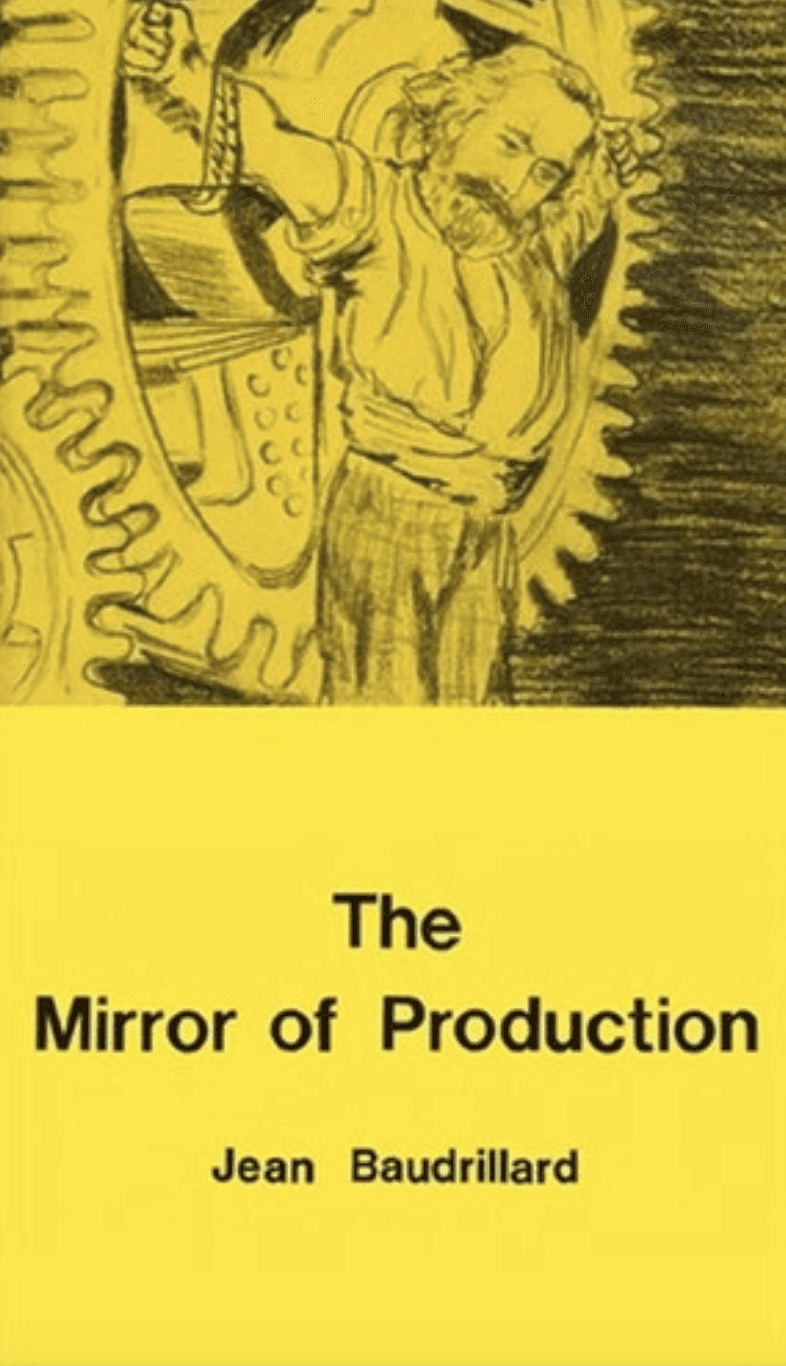
This screenshot is pure magic because it has Roland Barthes ‘Image music text’ in yellow cover –––– I feel joy when I see yellow covers on art-related books.
Sidenote about yellow: Imagine keeping old ugly signage on streets and just throwing italic times new roman on all of them.
Sidenote on this sidenote: This is exactly how design became soulless and judging by the latest apple ios presentation –––– we are leaving this approach behind as a society.
I will be smarter after this next book of Dieter Rams ‘As a little design as possible’. Dieter Rams sound familiar.
But I also feel like I'm gonna have the biggest brain after reading this.
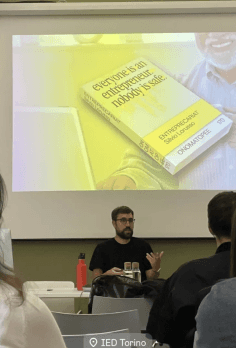
Silvio Lorusso again ––– just cool guy. Enterpriecariat and anything on his website is highly recommended as he writes essays
for free. He is a Freemium believer.
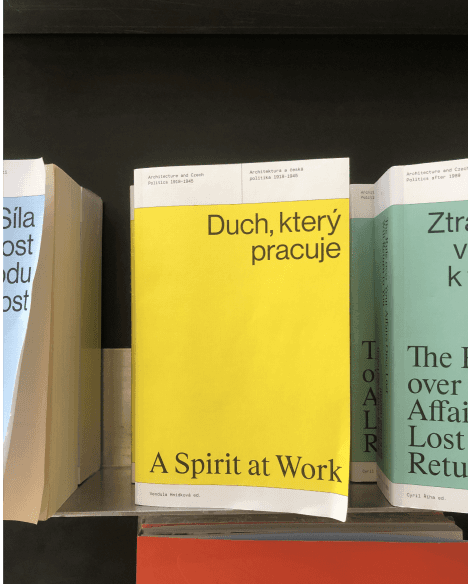
Yellow and heavy reading again
I remember being extremely exited when I saw this book. Turned out it is about architecture and Czech politics –––– really do not feel it is going to be my topic, but I have to explore it because of it’s naming.
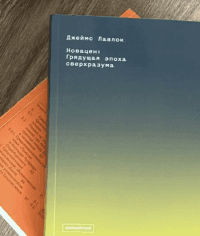
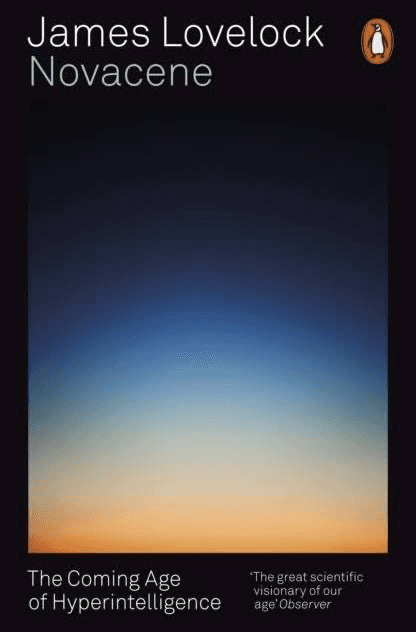
James Lovelock: Novacene.
Buying it immediately.
Feels like joy of easy intellectual reading.
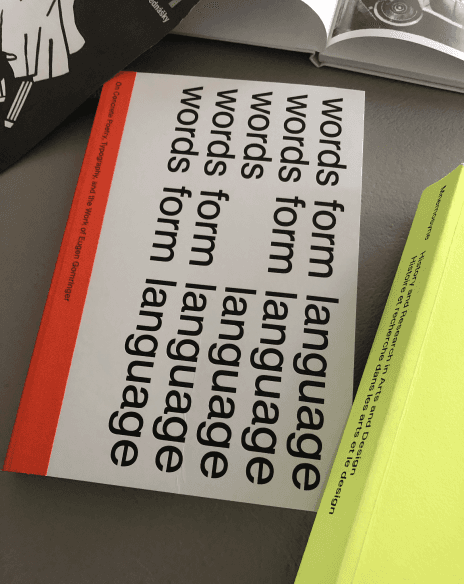
Oh I like all the books about languages and semiotics and symbols and how it translates unspoken worlds and digs into the minds.
The book it's on concrete poetry typography and the work of Eugen Gomringer. I do not like when the book is about one artist, feels really airless. Like there is maybe not that much of a comparison inside and nothing like a bigger picture. But it's nice to have if you have a collection of books about this kind of stuff.
Sidenote: Also, look, how I want the author of every book pull out the whole course of lectures for me. This is a bit of a problematic approach.
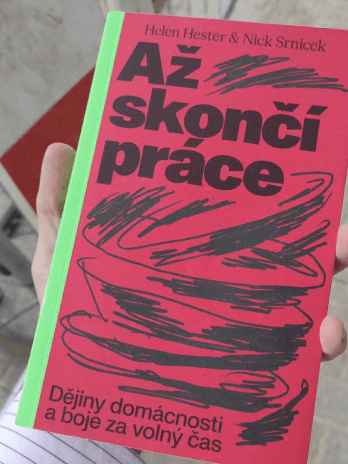
Thank you Šimon Vlách,
for reminding me about this masterpiece.
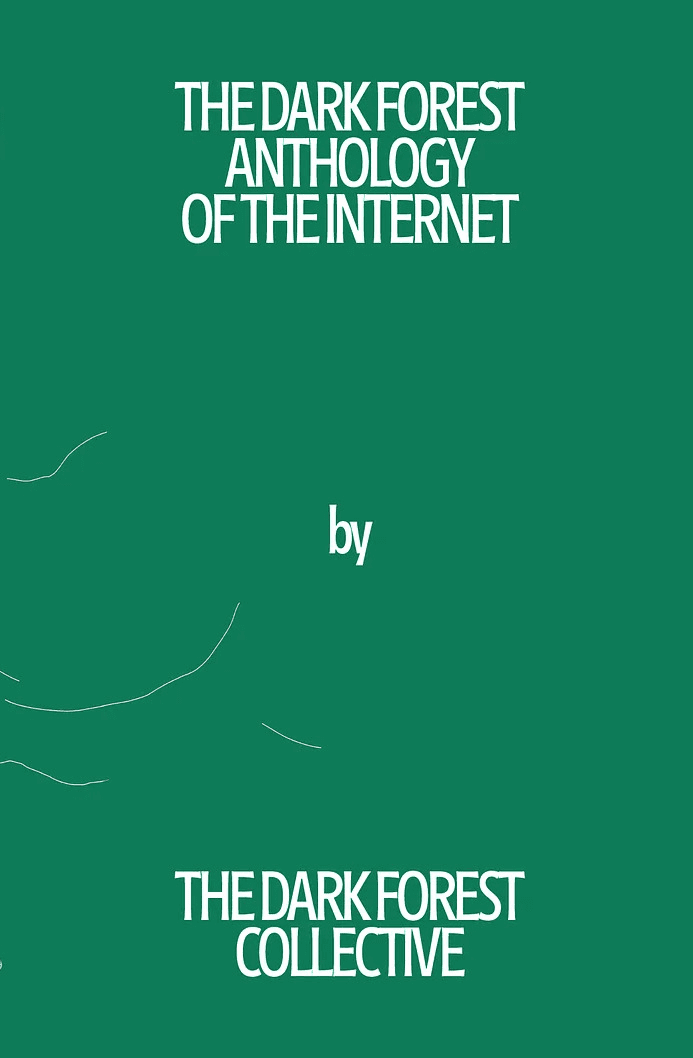
Never read yet, just know it is going to be very good.
Sidenote: Problematics of parasocial relationship on social media.
I have an entire folder on my phone with random screenshots
of random people’s lives.
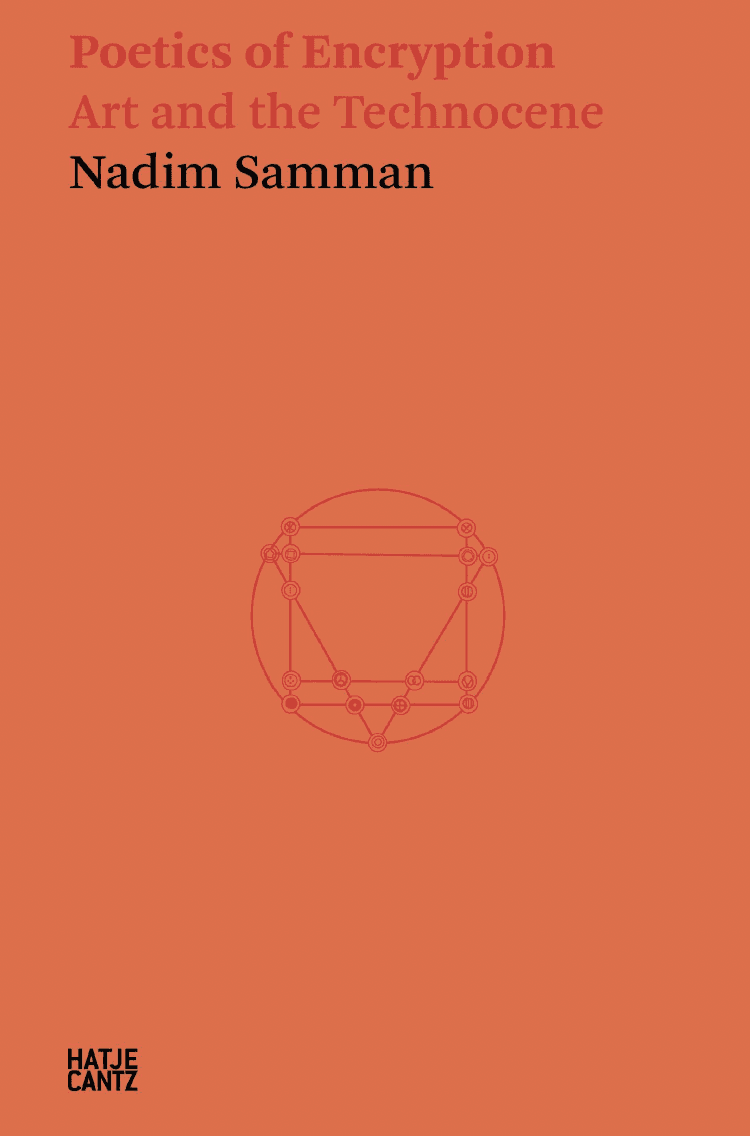
Roots
Alienation
Honesty
Agency
Work-life balance
Social media
Media
Labelling
Belonging
Self-discovery
Intention over result
Emotion
Creativity
Community
Language
Connections
Flexible system
Habits
Fractured digital spaces
Self-Expression
Authenticity
Seriousness
Distrust of authority
Media Literacy
Voice for critique
Constructing the sense of self
Personality
Semiotics
Curiosity
Reflection
Static self
Technology's impact on thought
X-files???
Side note on millennials, labelling and IdentityTM
Well, as most of my starts with the ‘I saw a reel on instagram’ I will start this note exactly the same.
I saw a reel on Instagram where a girl was making a joke by asking older Gen Zs and younger Millennials: Who do they think they actually are? And if a person was answering ‘Oh, I tend to be both, so maybe I am a Zillennial’ ––– it hundred percent meant that it is a millennial from head to toes. Was very funny, although led me to exploration of the millennial love for labelling topic.
As a younger Millennial/Oldest Gen Z person I can tell that there is a huge obsession with labelling. Millennials, often defined as those born between the early 1980s and mid-1990s, grew up in an era of rapid change and boundless encouragement. Many of us were raised with the belief that we could achieve anything if we put our minds to it. This mindset, instilled by parents and educators, fostered a generation that is both ambitious and self-reflective. The desire to define ourselves—through labels, identities, and categories—may be rooted in this upbringing. By labelling, we seek to understand our place in a fast-changing world and to communicate our unique experiences to others.
Millennial slang often reflects this obsession with self-definition. Phrases like “I’m cringe, but I’m free” encapsulate a willingness to embrace one’s quirks and imperfections, even if it means stepping outside conventional norms.
This self-aware humour is not just about poking fun at ourselves; it’s a way of reclaiming agency over how we are perceived. By openly acknowledging our “cringe” moments, we turn vulnerability into a badge of authenticity—a label we wear with pride.
Perhaps nowhere is the Millennial love for labelling more evident than in the popularity of personality tests. From the Myers-Briggs Type Indicator to the Enneagram and astrology, Millennials are drawn to systems that promise insight into who we are and how we relate to others. These frameworks offer more than entertainment; they provide language for self-understanding and for connecting with like-minded individuals. Compared to other generations, Millennials seem especially eager to categorize themselves and others, using these labels as for self-discovery and social bonding.
As a younger Millennial—or perhaps the oldest of Gen Z—I see the obsession with labelling as both a product of our upbringing and a response to the complexities of modern life. Whether we’re joking about being “Zillennials,” embracing our “cringe” moments, or diving into personality tests, these labels help us navigate identity in a world that often feels overwhelming. Ultimately, the Millennial love for labelling is less about limiting ourselves and more about finding meaning, connection, and a sense of belonging in an ever-changing landscape.
If you think ‘God she is a drama’ ––– I am The Drama.
‘I am cringe but I am free’ as an another example of labelling I am unconsciously using in my everyday life.